
6
|
Nov
The Event Planner’s Guide to Backdrop Logistics: Timelines, Sizing, and Setup
A credenza is a useful storage solution that plays a functional role in the home. Yet, it can also be a versatile piece of furniture capable of much more. With a bit of creativity and imagination, your credenza can become a multifunctional powerhouse, serving a variety of purposes beyond its "traditional" role.
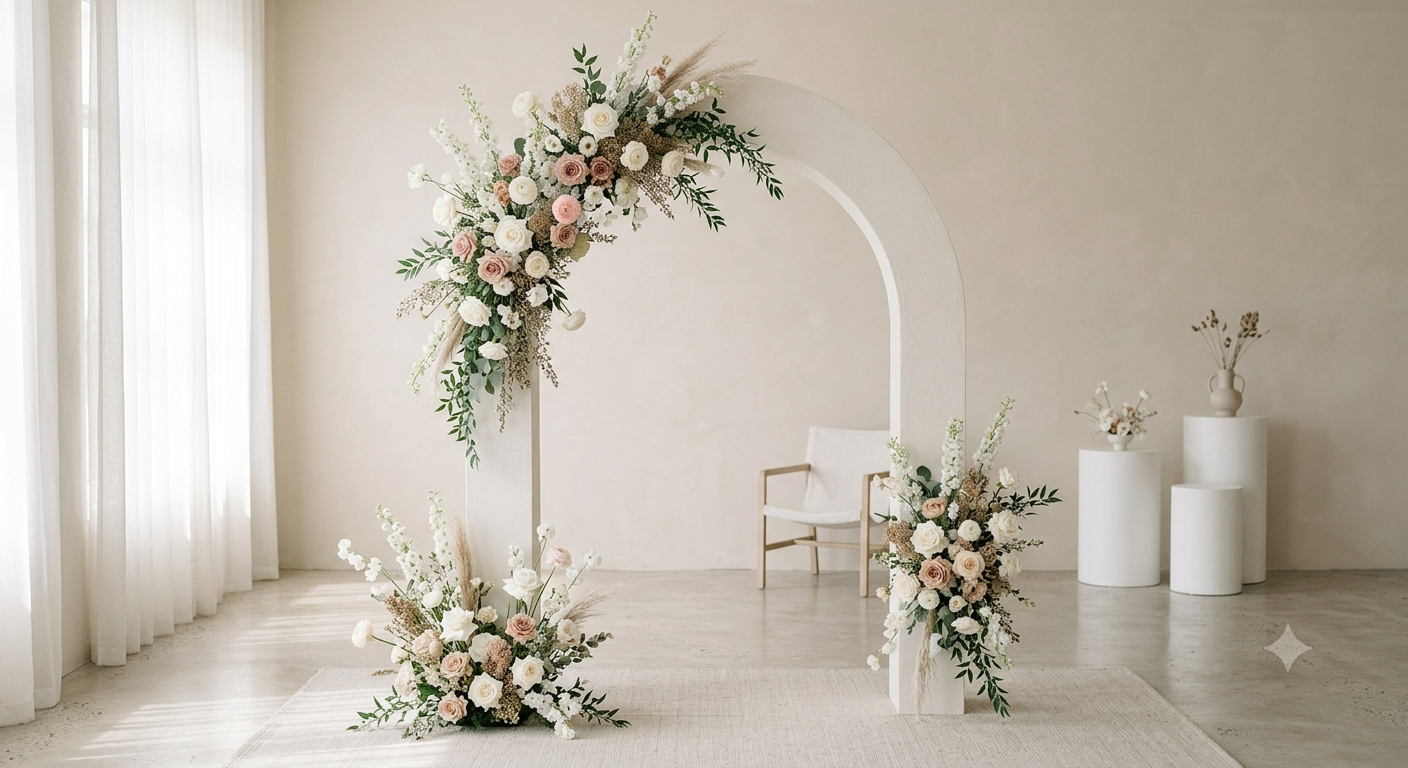
Ask any seasoned planner and they’ll tell you the same thing: the backdrop ends up in every single photo. It frames your speakers, carries your branding, and becomes the unofficial star of the event gallery. Yet it’s also the piece most likely to go sideways, the wrong size, late delivery, or a wobbly frame an hour before doors open.
The fix isn’t luck; it’s logistics. Nail your timeline, sizing, and setup, and the backdrop quietly does its job. Get one wrong and it shows in every shot. Here’s the playbook to get all three right.
Start With the Timeline: When to Do What
Backdrops fail most often because of rushing, not design. Work backwards from your event date:
- Big events, big runway: Weddings, expos, and major corporate events can take up to a year to plan. A small gathering might need only a week or two.
- Mind the print lead time: Once artwork is final, printers need time to proof, produce, and ship. Fast suppliers may ship within 24 hours of approval, but custom sizes and frames take longer.
- Approve the proof early: Lock in your logo placement, colours, and spelling before printing. A reprint can blow your whole schedule.
- Beat peak season: Mid-winter, late spring, and early fall are the busiest stretches. If your date lands there, order early before vendors book out.
- Book your load-in slot: Most venues run their own loading-dock schedule. Confirm your delivery and setup window in writing.
Getting the Size Right
Sizing the venue and the crowd does the math for you. Measure the venue first. Note width, depth, and ceiling height. An oversized backdrop in a low room feels cramped; a tiny one in a ballroom looks lost. The space sets your limits. Then match the size to the job:
- 8×8 ft: The all-rounder. Great for 1–4 people, weddings, birthdays, and corporate headshots. Needs about a 9-foot ceiling and a 10×10 ft floor footprint with a stand.
- 8×10 ft: The conference favourite. Extra width fits bigger groups and reads well in larger halls. Plan for roughly a 10×12 ft footprint.
- 10×10 up to 20 ft wide: For big stages, galas, and high-traffic step-and-repeats. More impact, but heavier frames and more labour are needed.
- Red carpet: 8×12 ft is the usual minimum. Media-heavy events often jump to 8×16 or 8×20 for smoother traffic flow.
Two rules planners swear by:
- Keep at least 8 ft of height so full-body shots aren’t cropped at the head or feet.
- Leave 1–2 ft of clearance on each side so guests aren’t squeezed and stands stay out of frame.
If you’re unsure, choose the large size. Slightly too big is better than awkwardly too small.
Pick the Right Material
The fabric you choose affects shipping, setup, and how photos turn out:
- Vinyl: Budget-friendly and tough. Ships roll in a tube, set up fast, and work indoors and out.
- Fabric: Soft matte finish that kills glare. Folds down small — ideal if you travel between venues.
- Tension fabric: A pillowcase-style cover that slips over a light aluminium frame for a seamless, wrinkle-free look
Setup: From Load-In to Teardown
This phase is where good planning either pays off or falls apart.
- Clear the footprint: An 8×8 backdrop needs around 10×10 ft of floor once you add the stand, photographer’s space, and lights.
- Always use a frame: A frame keeps fabric stretched tight and wrinkle-free, which makes a huge difference on camera. Loose backdrops sag and photograph poorly.
- Light it properly: Bigger backdrops give you more room to place lights and avoid harsh shadows. Set lighting before guests arrive, not during.
- Two people, one hour: Most standard backdrops go up in under an hour with two people. Larger stage setups need extra hands, so plan the labour in advance.
- Plan the teardown too: Know the venue’s breakdown timeline and who’s packing up. Store it rolled or folded to avoid wrinkles, since reusing it across events saves real money.
A backdrop installed early, lit well, and pulled tight makes every photo look pro because it basically is.
In a Nutshell
Backdrop logistics come down to three habits: plan the timeline early, size it to your venue and crowd, and set it up tight and well-lit. Get those right and your branding shines in every frame.
And if you want your event space designed with the same precision in Canada, call Dulad Design. We provide custom design and 3D space planning, turning your vision into clear, ready-to-build layouts. From concept and 3D modelling to full execution and on-time delivery, Dulad Design handles the details so your space and your backdrop look flawless.

FAQs
- What is the most common backdrop size for events?
The 8×8 ft backdrop is the most popular all-purpose choice, working for 1–4 people at weddings, parties, and corporate events. For conferences and larger groups, 8×10 ft is the best choice. Both sizes fit most standard frames and venues. - How much space do I need to set up a backdrop?
Plan for more floor than the backdrop itself. An 8×8 ft setup needs roughly 10×10 ft once you add the stand, lighting, and photographer’s room. Check ceiling height too; aim for at least 9 feet. - How long does it take to set up an event backdrop?
Most standard backdrops take under an hour with two people. Larger stage or step-and-repeat setups need extra hands and time. Setting up well before guests arrive gives you a buffer for lighting and fixes. - When should I order my event backdrop?
Order it early, weeks ahead, not days. Custom sizes, frames, and peak-season demand all add lead time. Approve your proof early so a reprint doesn’t wreck your schedule near the event. - Can event backdrops be reused?
Yes. Durable vinyl and fabric backdrops can be reused many times if stored well. Keep them rolled or folded flat to avoid wrinkles and creases. Reusing across events is an easy way to cut costs. - Do I really need a frame for my backdrop?
For a clean, professional look, yes. A frame keeps the fabric tight and wrinkle-free, which photographs far better than a sagging, wall-pinned cloth. Some venues allow wall mounting, but a frame is more reliable.